
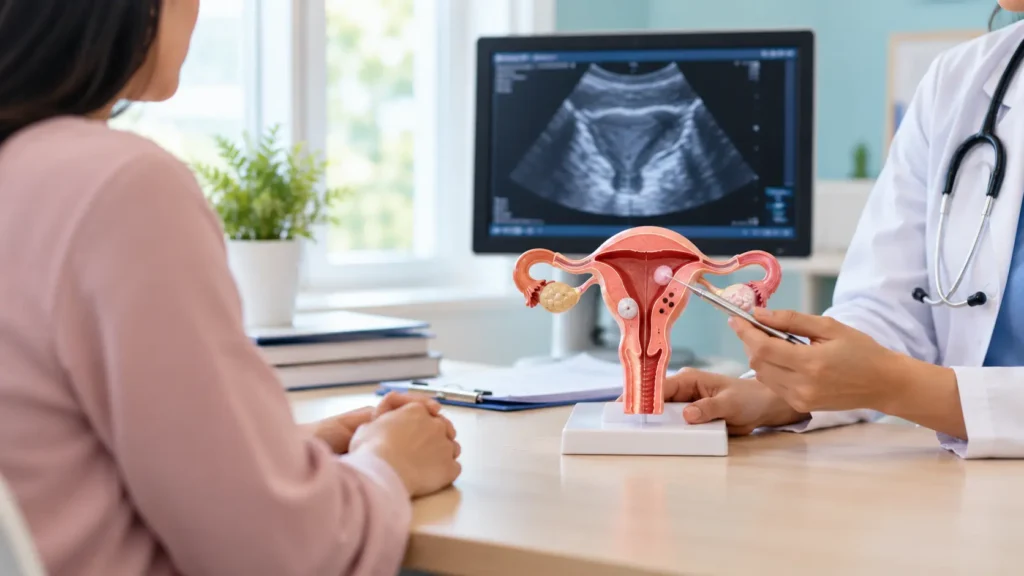
Heavy periods that soak through your protection, pelvic pressure that never quite lets up, or a noticeable swelling low in the abdomen can feel like private burdens to be managed quietly. However, these are incredibly common issues, and they often have highly treatable underlying causes. When women visit us to discuss uterus surgery in Rewa, they are often relieved to learn that a uterine condition does not automatically mean they need an operation—and even if surgery is necessary, it doesn’t always mean removing the entire uterus. Our first step is always a careful, compassionate assessment to show you exactly which options are available based on your symptoms, your age, and your plans for the future.
Uterus-Related Conditions: Pelvic Symptoms and What They Mean
Uterus surgery is an operation on the uterus, or womb, to treat conditions such as fibroids, heavy bleeding, prolapse, endometriosis or growths. Options range from removing only the problem, such as a fibroid, to removing the whole uterus in a hysterectomy. Surgeons advise it when other treatments are unsuitable or have not worked.
- Heavy or prolonged periods, sometimes with clots, and tiredness from low iron.
- Painful periods, or pain in the lower abdomen or back.
- Pelvic pressure, a feeling of fullness or a swelling that you can feel in the lower abdomen.
- Frequent urination, difficulty emptying the bladder or constipation, when a growth presses on nearby organs.
- Pain during sex, or difficulty becoming pregnant.
- A feeling of something coming down in the vagina, which can signal prolapse.
- Bleeding between periods or after menopause, which needs prompt checking.
In our clinical experience, fibroids are very common, noncancerous growths that do not always require surgery. If they cause heavy bleeding, our first line of treatment often includes targeted medications or hormone therapies before considering an operation.
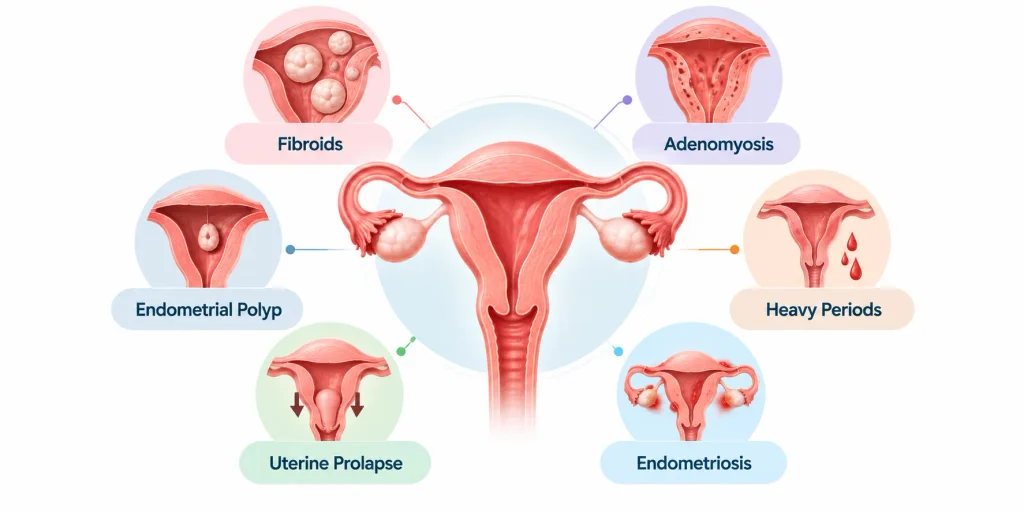
Common Uterine Conditions Compared
| Condition | What it is | Typical symptoms | Usual management |
|---|---|---|---|
| Uterine fibroids | Noncancerous muscular growths in or around the uterus | Heavy periods, pressure, frequent urination, or none at all | Watching, medicines, procedures or surgery, depending on size, position and symptoms |
| Adenomyosis | Tissue like the uterine lining growing into the uterine wall | Heavy, painful periods and an enlarged, tender uterus | Medicines, and surgery in selected cases |
| Endometrial polyp | A small growth on the inner lining | Bleeding between periods or after menopause | Removal through a camera passed through the cervix |
| Heavy menstrual bleeding without a growth | Excess bleeding from hormonal or other causes | Soaked protection, clots, anaemia | Medicines, a hormone coil, or a procedure on the lining |
| Uterine prolapse | The uterus slips down because supports weaken | Dragging feeling, a bulge, urinary symptoms | Exercises, a support device, or surgery |
| Abnormal growth of the lining or a uterine cancer | Overgrowth or cancer of the inner lining or muscle | Bleeding after menopause, or unusual bleeding at any age | Tests first, then a team plan that often includes surgery |
Bleeding and Pain That Should Be Checked Promptly
Bleeding after menopause, very heavy bleeding with dizziness, severe pelvic pain with fever, or pain with bleeding in a woman who may be pregnant needs urgent medical care. These signs can point to a condition that should not wait.
Uterine Condition Assessment and Pelvic Symptoms Assessment: What the Gynaecologist Checks
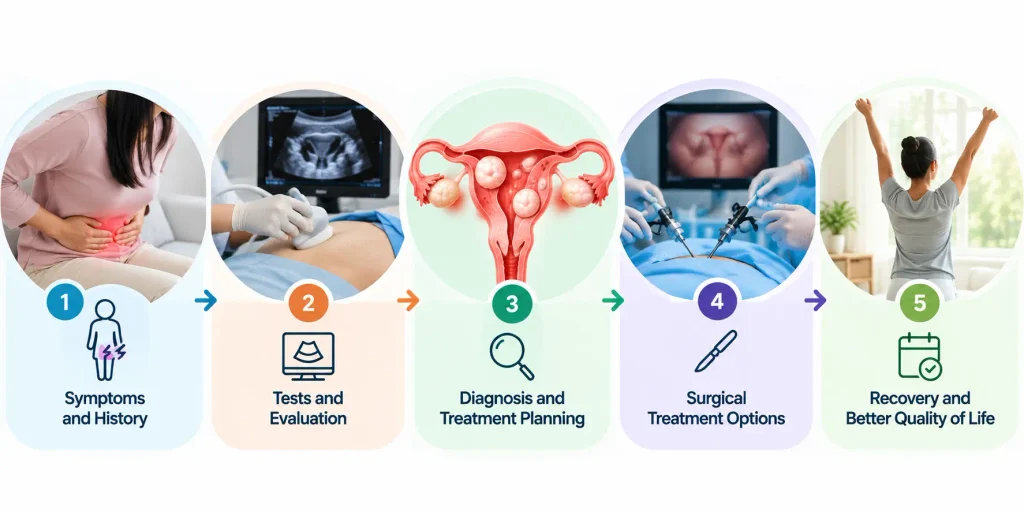
Your reproductive health consultation will always begin with your story. Because pelvic pain can also stem from the bowel, bladder, or appendix, our assessment looks beyond the uterus. Our multidisciplinary surgical team works together to accurately sort out overlapping symptoms. We typically guide patients through the following diagnostic steps:
- History: your periods, bleeding pattern, pain, pregnancies, plans for children, contraception, medicines and family history.
- Examination: the abdomen and pelvis are examined, and a speculum or internal examination may be done if you agree, with a chaperone if you prefer.
- Blood tests: haemoglobin and iron levels, and sometimes thyroid and hormone tests.
- Ultrasound: we typically use an ultrasound as the first test when the uterus feels enlarged or irregular, and it shows the size, number and position of fibroids.
- Further tests when needed: an MRI scan, a camera test of the uterine cavity (hysteroscopy) or a small sample from the lining (endometrial biopsy).
- Cervical screening: if it is due, because the cervix is part of the pelvic assessment.
This careful uterus diagnosis matters because the treatment depends on what the condition is, where it sits and what you plan for the future.
Uterine Treatment Options: From Medicines to Surgery
The Mayo Clinic Q and A on fibroids explains that treatment is individualised, depending on which symptoms are most bothersome, the size, number and location of the fibroids, and whether pregnancy is desired in the future.
| Option | What it involves | Usually considered when | Points to discuss |
|---|---|---|---|
| Observation | Review, with ultrasound if needed | Mild or no symptoms | Symptoms can change, so you need clear signs to return |
| Medicines | Painkillers, tranexamic acid, hormone tablets or a hormone coil | Bleeding and pain, or as a first step | Side effects, and we will carefully discuss your options if you plan to have children |
| Uterine artery embolization | The blood supply to fibroids is blocked so they shrink | Selected fibroids, when you wish to avoid an operation | Not suitable for all fibroids, and fertility needs careful discussion |
| Procedures on the lining | A device through the cervix treats the lining or removes a polyp or an inner fibroid | Heavy bleeding or polyps, with no cut in the abdomen | Treating the lining does not shrink fibroids, as the Mayo Clinic notes |
| Myomectomy | Fibroids are removed and the uterus is kept | Symptomatic fibroids, especially when fertility is wanted | Fibroids can grow back, and a scar remains on the uterus |
| Hysterectomy | The uterus is removed | Troublesome symptoms when pregnancy is not wanted, or for some cancers and prolapse | Pregnancy is no longer possible, and the decision is permanent |
When Uterine Surgery Is Considered
- Symptoms that remain troublesome despite medicines or other treatments.
- Large or growing fibroids, or pressure on the bladder or bowel.
- Heavy bleeding that causes anaemia.
- Prolapse that interferes with daily life.
- Abnormal test results, or a suspected or confirmed cancer.
- A decision after a full discussion that surgery suits your goals and your plans for children.
Uterus Surgery in Rewa: Hysterectomy, Myomectomy and Other Operations Compared
Uterine surgery in Rewa and gynaecological surgery in Rewa include several different operations, and the right one depends on the condition, the size of the uterus, your age and your wishes. The table sets out what each operation removes and what it means for fertility.
| Operation | What it treats or removes | Effect on pregnancy |
|---|---|---|
| Hysteroscopic resection | A polyp or a fibroid inside the uterine cavity, through the cervix | The uterus stays, and pregnancy may remain possible |
| Myomectomy | Fibroids only, through keyhole cuts or an open cut | The uterus stays, and pregnancy may remain possible, with delivery plans advised by your doctor |
| Total hysterectomy | The uterus and the cervix | Pregnancy is no longer possible |
| Subtotal hysterectomy | The uterus, with the cervix left in place | Pregnancy is no longer possible, and cervical screening continues |
| Hysterectomy with removal of the ovaries and tubes | The uterus, tubes and one or both ovaries | Pregnancy is no longer possible, and removing both ovaries causes menopause |
| Prolapse repair | Restores support, with or without removing the uterus | Depends on the technique, so discuss your plans first |
How Myomectomy (Fibroid Removal) Works
Fibroid surgery in Rewa that keeps the uterus is called myomectomy. This targeted surgery aims to remove only the symptom-causing fibroids, through the vagina or small keyhole cuts, and an open cut is used when fibroids are large or numerous.
- Preparation: iron levels are corrected if needed, and medicines may be given to reduce bleeding.
- Anaesthesia: general or spinal anaesthesia is given, depending on the approach and your health.
- Access: the surgeon enters through keyhole cuts, an open cut, or the cervix for fibroids inside the cavity.
- Removal: each fibroid is separated from the uterine muscle and taken out, often inside a protective bag.
- Repair: the uterine wall is closed in layers to restore its strength and control bleeding.
- Check and closure: bleeding is checked, the wounds are closed and the tissue is sent for examination.
Hysterectomy Consultation: Types, Routes and Questions to Ask
A hysterectomy consultation should cover what is removed, which route is planned and what it means for your hormones and your future. We ensure every patient understands that after a hysterectomy, menstrual bleeding stops and pregnancy is no longer possible. However, the surgery itself does not automatically trigger menopause unless the ovaries are also removed.
- Will the cervix be removed, and what does that mean for cervical screening?
- Will the ovaries and tubes be removed, and what are the reasons?
- Which route is planned: vaginal, keyhole or open?
- What are the alternatives that keep the uterus, and why are they or are they not suitable for me?
- What will recovery involve, and when can I return to work and normal activity?
Minimally Invasive Gynaecological Surgery: Keyhole, Vaginal and Camera Routes
Minimally invasive gynaecological surgery uses small cuts, the vagina or the cervix instead of a large abdominal cut. In our practice, we utilize minimally invasive approaches whenever safely possible because they generally offer a much shorter recovery, although some conditions and some uteruses do not suit them.
| Route | How it is done | May suit |
|---|---|---|
| Hysteroscopic | A camera and instruments pass through the cervix, with no cut | Polyps and fibroids inside the cavity |
| Vaginal | The uterus is removed or supported through the vagina, with no cut in the abdomen | Prolapse, and selected hysterectomies |
| Laparoscopic (keyhole) | A camera and instruments pass through several small cuts in the abdomen | Selected fibroids and hysterectomies of suitable size |
| Open (abdominal) | One larger cut in the lower abdomen | Very large uterus or fibroids, scarring, or some cancers |
Women’s Surgical Care: Ovaries, Hormones and Long Term Health
The ovaries produce hormones, so whether they are kept or removed matters. If the ovaries stay, hormone production usually continues, and menopause comes at its natural time. If both are removed before menopause, symptoms of menopause begin at once, and your doctor will discuss hormone treatment, bone health and heart health with you before the operation.
Risks and Limits to Discuss Before Uterine Surgery
Uterine operations are widely performed, yet all surgery carries risk. Before scheduling your surgery, our team will clearly explain the potential risks to you and your family:
- Bleeding, and sometimes a need for a blood transfusion.
- Infection of the wounds, the pelvis or the urinary tract.
- Injury to the bladder, ureters or bowel, which may need repair.
- Blood clots in the legs or lungs, and reactions to the anaesthetic.
- After myomectomy, fibroids growing back over time, and a scar on the uterus that may affect plans for delivery in a later pregnancy.
- After hysterectomy, the end of fertility, early menopause if the ovaries are removed, and changes in bladder or bowel function or in sexual wellbeing for some women.
- Scar tissue, and a hernia at a cut.
Ask what the alternatives are, how the operation may affect your fertility, hormones and sexual wellbeing, and what happens if you wait. You are free to take time, bring a family member, or seek a second opinion.
Recovery After Uterine Surgery: Rest, Wounds and Return to Routine
Recovery depends on the operation, the route used, the reason for surgery and your general health. Your surgeon will tell you when to restart work, exercise, driving and intimacy, and what vaginal bleeding to expect.
- Take pain relief and any iron tablets or antibiotics as prescribed.
- Walk gently from the first day as advised, because movement lowers the risk of blood clots.
- Keep the wounds clean and dry, and follow the dressing and bathing advice.
- Expect some vaginal spotting or discharge for a period, and report heavy bleeding.
- Avoid heavy lifting, strenuous exercise and intercourse until your surgeon allows it.
- Eat fibre and drink fluid to avoid constipation and straining.
- Attend the follow up visit and ask about the laboratory report on the removed tissue.
Warning Signs After Uterine Surgery
- Fever or chills.
- Heavy vaginal bleeding, or large clots.
- Severe or worsening abdominal pain, or a swollen, tight belly.
- Redness, swelling or discharge from a wound, or foul smelling vaginal discharge.
- Pain, swelling or redness in a leg, or breathlessness or chest pain, which need emergency care.
- Difficulty passing urine, or burning on passing urine.
Call the hospital or go to the nearest emergency department if any of these appear.
Getting Ready for Your Uterus Surgery
- Tell the doctor about all medicines, especially blood thinners and hormone medicines, and about allergies and earlier operations.
- Bring your scan reports, blood tests, biopsy results and cervical screening results.
- Discuss your plans for children and your wishes about the ovaries before you consent.
- Follow the fasting instructions given for your anaesthesia, and stop smoking if you can.
- Arrange for a family member to help at home during the first weeks.
- Ask how long the hospital stay is likely to be and what the estimate covers.
Booking a Uterus Surgery Consultation in Rewa at Adarsh Hospital
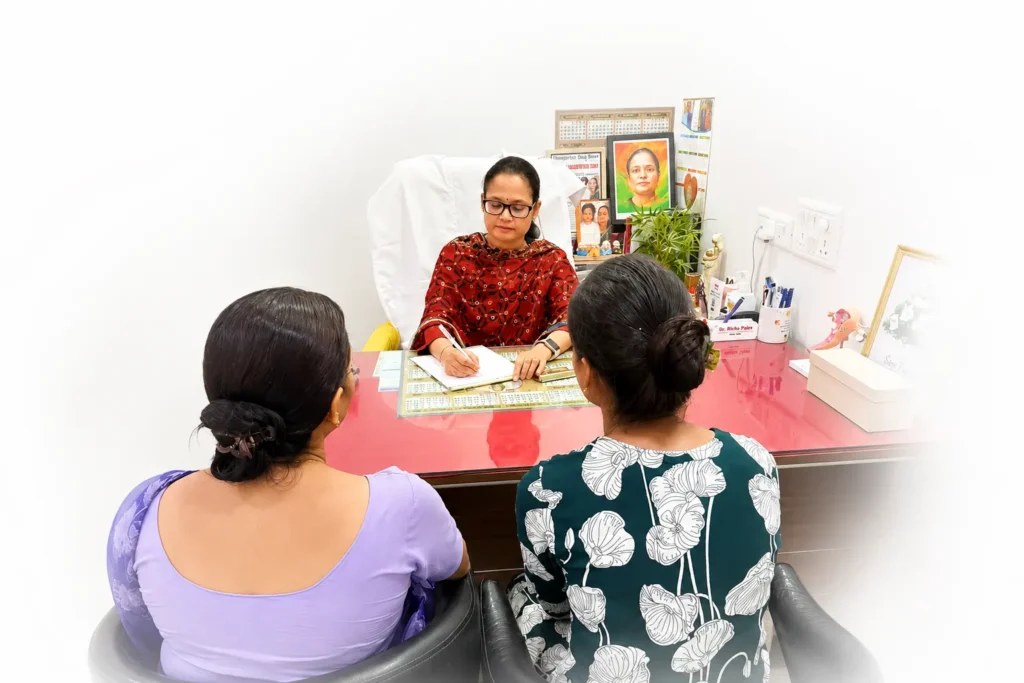
If periods are heavy, pelvic pressure is persistent or a scan has shown a fibroid or another condition, a consultation will show whether you need medicines, a procedure, surgery or review alone. The surgical team at Adarsh Hospital provides general and laparoscopic surgery in Rewa, so related surgical conditions can be assessed together.
- Your scan reports and blood tests.
- A list of your medicines and allergies.
- A short note of your periods, including how heavy they are, how long they last and how they affect daily life, together with your plans for children.
If you have very heavy bleeding with dizziness, severe pelvic pain with fever, bleeding after menopause or pain with bleeding in possible pregnancy, seek urgent care instead of waiting for an appointment. This content gives general information and does not replace an examination by a qualified doctor.
Whether your plan turns out to be medicines, review or uterus surgery in Rewa, a clear diagnosis and a full discussion come first. Book a consultation, bring your questions, and decide with your surgeon at your own pace.
Frequently Asked Questions
Do fibroids always need surgery?
No. Fibroids do not always need to be treated, and treatment is not always needed if they are not causing symptoms. Uterus surgery in Rewa is considered when fibroids cause heavy bleeding, pain, pressure on the bladder or bowel, anaemia or fertility concerns that medicines do not control. Watching with ultrasound review is a reasonable choice for mild or no symptoms. Your gynaecologist will explain the options and what each involves.
Can fibroids be treated without surgery?
Sometimes. Medicines such as painkillers, tranexamic acid and hormone treatments can ease heavy bleeding and pain, as the NHS notes. Uterine artery embolization blocks the blood supply so fibroids shrink, and it is an option for selected fibroids. Treatments of the lining reduce bleeding but do not shrink fibroids. The right choice depends on the size, number and position of the fibroids, your symptoms and your plans for children.
Is hysterectomy a major operation?
Yes, a hysterectomy is a major operation. It is done under anaesthesia, involves the pelvic organs and needs weeks of recovery, and it is usually considered when other treatments are unsuitable or have not worked. The route, whether vaginal, keyhole or open, affects the recovery. Your surgeon will explain the benefits, the risks and the alternatives, and you are free to take time before deciding.
Will I go into menopause after a hysterectomy?
Not necessarily. The Mayo Clinic notes that a hysterectomy does not by itself cause menopause. If the ovaries are left in place, they usually continue to produce hormones, and menopause comes at its natural time, although you will no longer have periods. If both ovaries are removed before menopause, menopausal symptoms begin at once. Discuss the ovaries, and hormone options, with your surgeon before surgery.
Can I get pregnant after myomectomy?
Often, yes, because the uterus is kept, and myomectomy is generally offered to women who may still want children. However, it depends on the size, number and position of the fibroids and on the operation. Your doctor will usually advise how long to wait before trying to conceive and may recommend a planned caesarean delivery if the uterine wall was opened. Fibroids can also grow back over time.
How long is recovery after hysterectomy?
Recovery depends on the route, the reason for surgery and your general health. A vaginal or keyhole hysterectomy usually allows a shorter hospital stay and quicker recovery than an open operation, although complete recovery takes weeks in each case. Your surgeon will give you a plan, with advice on lifting, driving, intimacy and work, so follow that advice rather than compare yourself with another woman.
Will a hysterectomy affect my sex life?
The vagina is left in place, and for some women sexual function is not directly affected, although you need time to heal before intimacy restarts. Some women notice changes related to hormones, especially if the ovaries are removed, or to the emotional effects of surgery. Talk with your surgeon beforehand about any worries, and ask when it is safe to resume intercourse, so you can plan with confidence.